Call us at 0161 327 3694

Address

Phone

Whatsapp

Pre Owned Watches

Categories

Shop All Watches
Men's Watches

Brands

Rolex
Richard Mille
Patek Philippe
Audemars Piguet
Cartier

Popular Models

Datejust
Day-Date
Submariner
GMT-Master
GMT-Master II

Watch Services

Sell Your Watch
Source Your Watch
Evaluate your watch
Watch Repair Service
Sell Your WatchSource your watchBlog
Support
ContactNewsAbout
Watches
Link FiveLink SixLink Seven
Try in our showroom
Same day payouts
5 star service
Try in our showroom
Same day payouts
5 star service
Published on:
December 23, 2025
Updated on
December 23, 2025
|
Watch Guide
|
Adam Wilson

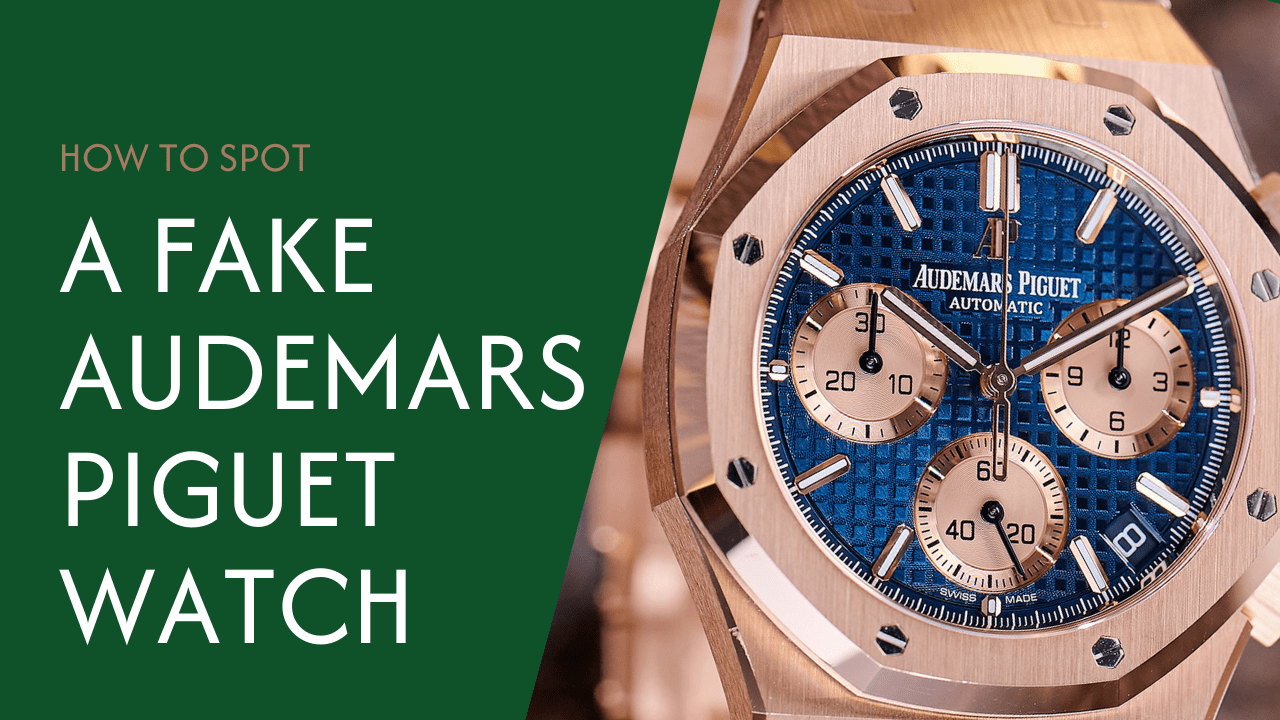
How to Spot a Fake Audemars Piguet Watch – The Essential Buyer’s Guide

Audemars Piguet (AP) stands among the most prestigious Swiss watchmakers in the world. Known for groundbreaking designs like the Royal Oak and Royal Oak Offshore, meticulous hand-finishing, and in-house mechanical movements, AP watches represent the pinnacle of haute horlogerie. Unfortunately, this reputation also makes them a prime target for counterfeiters. As replicas become increasingly sophisticated, spotting a fake Audemars Piguet requires more than a quick glance. This guide breaks down why AP watches are frequently counterfeited, key features to examine, and warning signs that should immediately raise suspicion.

Why Audemars Piguet Watches Are Frequently Counterfeited


Audemars Piguet watches are highly coveted, luxurious, and carry hefty price tags. They are often associated with success, wealth, and style. Audemars Piguet holds a legendary reputation in the world of haute horology, producing watches with exceptional attention to detail, hand-finishing, and complex movements. The Royal Oak’s distinctive octagonal bezel, integrated bracelet, and tapisserie-pattern dial make it one of the most recognisable and most copied luxury watches today.

‍

The rise in demand for luxury watches, combined with the prestige of owning an AP, makes these timepieces a prime target for counterfeiters. Fake Audemars Piguet watches can be found in various markets, both online and offline, with many relying on inaccurate or poorly made replicas to exploit buyers who may not be familiar with the finer details of AP's craftsmanship. As counterfeiters have become more skilled, it’s become more difficult to tell the difference between a genuine Audemars Piguet watch and a fake. However, by learning to spot key features and red flags, buyers can safeguard themselves from being deceived.

Key Features to Check on an Audemars Piguet Watch

Audemars Piguet watches are crafted with meticulous attention to detail, using premium materials and refined techniques that counterfeits rarely replicate accurately. Examining these specific components will help you determine whether a watch is authentic or fake

‍1. Royal Oak Bezel, Screws & Shape

The Royal Oak bezel is one of the most iconic and technically distinctive elements in modern watchmaking. An authentic Royal Oak features a perfectly proportioned octagonal bezel with eight equal sides. The geometry is precise, with crisp edges and symmetrical angles. The bezel sits flush against the case, maintaining consistent spacing all around. On counterfeit watches, the octagon often appears slightly distorted, with uneven sides, rounded corners, or incorrect proportions that subtly alter the watch’s silhouette.

‍

The exposed screws on the Royal Oak bezel are not decorative, they are functional white gold hexagonal screws that pass through the bezel and case that remain fixed while the nuts inside turn. Fakes often use misaligned, cheaply finished screws or incorrect screw shapes. The Royal Oak bezel, screws, and case shape are among the most reliable indicators of authenticity. Audemars Piguet’s obsession with geometric precision, material quality, and hand-finishing creates a level of refinement that replicas consistently fail to match, especially under close inspection.

‍

2. Tapisserie Dial Pattern

The dial is one of the most difficult elements for counterfeiters to replicate accurately. Authentic Audemars Piguet dials feature precisely machined Grande Tapisserie or Petite Tapisserie patterns with sharp, evenly spaced squares and clean, consistent depth.

‍

The applied hour markers are perfectly polished and precisely positioned, while all dial text is printed with crisp clarity, correct font style, and accurate spacing, details that replicas often fail to execute convincingly. Even small imperfections in the tapisserie grid are clear signs of a fake Audemars Piguet.

‍

3. Case Finishing & Edges

Audemars Piguet is known for exceptional finishing, with brushed surfaces, polished bevels, and chamfered edges executed with perfect symmetry. Genuine models feel refined, with every angle finished to the highest standard. Counterfeit cases often show inconsistent brushing, rough edges, and overly polished areas that lack definition.

The transitions between brushed and polished surfaces should be sharp and flawless on authentic AP watches. Replicas may also have incorrect case dimensions or proportions. If the finishing appears sloppy or lacks the crisp geometry AP is known for, the watch is likely fake.

‍

4. Movement Architecture & Rotor

Audemars Piguet uses in-house mechanical movements renowned for their exceptional craftsmanship, often featuring hand-finished bridges, Geneva stripes , perlage on the main plate, and finely engraved gold rotors on automatic models. When viewed through a sapphire case back, the movement should appear refined, intricate, and meticulously finished, reflecting the brand’s high standards of haute horlogerie.

‍

Counterfeit watches typically rely on generic movements with little to no decorative finishing. Additionally, a genuine Audemars Piguet will never exhibit a quartz-like ticking motion unless it is explicitly a quartz model, which is rare in modern AP collections.

‍

5. Bracelet Quality & Clasp‍

The bracelet and clasp of an Audemars Piguet watch are clear indicators of authenticity, reflecting the brand’s uncompromising standards of craftsmanship and engineering. Authentic AP bracelets are constructed from solid links that feel substantial yet perfectly balanced on the wrist. Each link is meticulously finished with a combination of fine satin brushing and polished bevels, allowing the bracelet to articulate smoothly without rattling, stiffness, or sharp edges. The integrated design flows seamlessly from the case, maintaining precise tolerances and consistent alignment throughout.

‍

The clasp is equally refined, closing with a firm, confident snap that feels secure and precise. Engravings on the clasp are sharp, clean, and correctly spaced, never shallow or laser-etched. On counterfeit watches, bracelets often feel lightweight, loosely assembled, or poorly finished, while clasps may close weakly, show rough edges, or display incorrect logos and fonts. When examined closely, the superior fit, finish, and tactile quality of an authentic Audemars Piguet bracelet and clasp are difficult for replicas to replicate convincingly.

‍

6. Case Back Engravings & Serial Details

The case back of an Audemars Piguet watch offers critical clues to its authenticity, as the brand applies its engravings with exceptional precision and consistency. Genuine AP case backs feature deep, clean, and sharply defined engravings that include the model designation, case material, and unique serial and case numbers. The font style, spacing, and alignment are exact, with no signs of fading, uneven depth, or sloppy execution.

‍

Serial numbers on authentic Audemars Piguet watches are individually assigned and never repeated. These engravings are carefully cut into the metal rather than lightly etched, giving them a refined, permanent appearance. On models with sapphire case backs, additional engravings may appear around the crystal, while the movement itself is clearly visible and immaculately finished. Counterfeit watches often display shallow, laser-etched markings, incorrect fonts, misaligned text, or missing serial numbers altogether. Any inconsistency between the case back engravings and accompanying documentation is a strong indicator that the watch is not genuine.

‍

‍

Red Flags: Promises That Are Too Good to Be True

Despite how convincing replica AP watches may appear, certain warning signs quickly expose them as fakes. These typically show up in pricing, seller behaviour, and documentation. Recognising these red flags helps you avoid scams and make safer buying decisions.

‍

1. Unrealistic Pricing

A genuine Audemars Piguet watch is an investment, and its price reflects its luxury status. AP watches rarely drop below their market value, and models like the Royal Oak often sell above retail. If a seller offers one at a suspiciously low price, it is almost certainly fake. Fakes are often sold for a fraction of the price of the real thing. While pre-owned Audemars Piguet watches can be more affordable, they will still retain a significant portion of their value.

‍

Counterfeiters rely on bargain pricing to attract inexperienced buyers. Always compare prices with reputable dealers and recent market trends. If the cost seems impossibly low, take it as a major warning sign and proceed with extreme caution.

‍

2. Suspicious Seller Behaviour

Suspicious seller behaviour is often one of the clearest warning signs when dealing with Audemars Piguet watches. Reputable sellers are transparent, knowledgeable, and willing to provide detailed information, high-quality photos, and verifiable documentation. In contrast, questionable sellers may avoid answering specific questions about the watch’s history, serial numbers, or servicing records, or provide vague and inconsistent responses.

‍

Common red flags include applying pressure to complete the sale quickly, refusing third-party authentication, or discouraging in-person inspection by a qualified watchmaker or authorized dealer. Sellers who insist on unconventional payment methods, decline to issue receipts, or offer deals that seem dramatically below current market value should be approached with extreme caution. In many cases, the watch itself may appear convincing, but the seller’s behavior ultimately reveals the risk, making due diligence and patience essential when purchasing a luxury timepiece like an Audemars Piguet.

‍

3. Missing or Fake Documentation

An authentic Audemars Piguet watch should come with original documentation, including a warranty card, certificate of authenticity, and a presentation box. If the seller cannot provide proper documentation or provenance for the watch, it’s a significant red flag. 

‍

What to Do If You’re Unsure: Verification & Expert Help

If you still feel uncertain after inspecting the watch, it’s important to take additional steps to verify authenticity. Professional help can identify subtle markers that are difficult to detect on your own.

  • Visit an authorised Audemars Piguet dealer for a professional inspection.
  • Request a trusted watchmaker to examine the movement and internal components.
  • Verify the serial number through reputable authentication services.
  • Ask for high-quality images if purchasing online, including close-ups of dial, case, and movement.
  • Compare the watch with official AP reference images.
  • Review all documentation to ensure consistency across serials and model details.
  • Avoid rushing your purchase; take time to thoroughly verify authenticity.

Quick Pre-Purchase Checklist

Use this checklist to verify key authenticity markers before purchasing an Audemars Piguet watch. These points provide a reliable framework for identifying counterfeits and for making a confident, informed decision.

  • Examine the Royal Oak bezel shape, screw alignment, and finishing.
  • Inspect the tapisserie dial for depth, symmetry, and precision.
  • Check the case finishing for correct brushing and polished edges.
  • Evaluate the movement’s architecture, rotor quality, and decoration.
  • Test bracelet articulation and clasp engraving quality.
  • Review case back engravings, serial numbers, and stamp accuracy.
  • Compare pricing with real market values to avoid suspicious offers.

Conclusion

Audemars Piguet watches are some of the most respected timepieces in the luxury watch industry, and owning one is a symbol of sophistication and success. A genuine Audemars Piguet watch represents superior craftsmanship, engineering excellence, and long-term value. However, due to their high demand and expensive price tags, they are frequently targeted by counterfeiters. By understanding the key features that distinguish an authentic Audemars Piguet from a fake, you can confidently make an informed purchase and avoid falling victim to scams. While modern replicas can appear convincing at first glance, true AP quality reveals itself in the details: flawless finishing, precise engineering, refined movements, and trustworthy documentation.

Adam Wilson

Adam Wilson is the Content Manager at Time is Money Watches, an e-commerce platform that helps you with buying and selling watches.

Table Of Contents
Text LinkText Link

On purchases over £10,000 when you sign up for our newsletter

Shop Now
Published on:
December 22, 2025
Updated on
December 15, 2025
|
Watch Guide
|
Adam Wilson

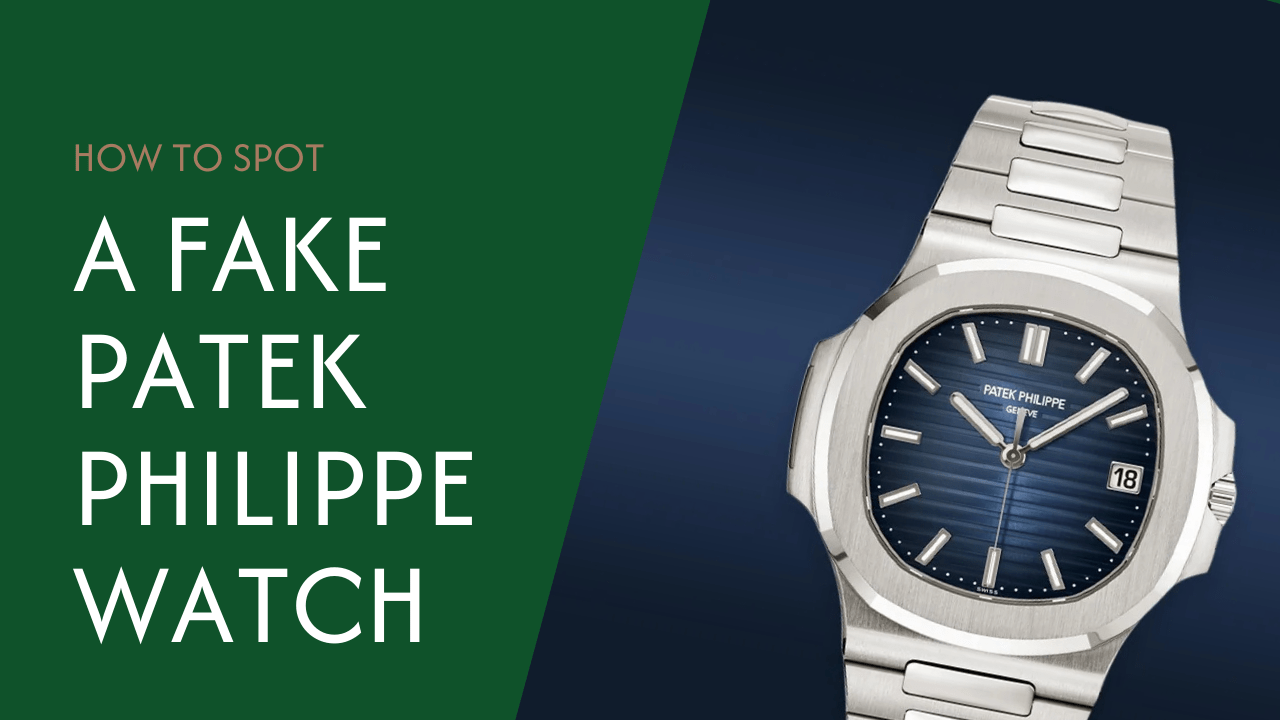
How to Spot a Fake Patek Philippe Watch – The Ultimate Buyer’s Guide

Patek Philippe is widely regarded as one of the finest and most prestigious watchmakers in the world, with models like the Nautilus, Aquanaut, and Calatrava setting industry benchmarks for craftsmanship and value. Because of this reputation, counterfeit Patek Philippe watches have become increasingly common, targeting both new buyers and collectors. Spotting a fake can be challenging, especially when replicas mimic the design and finish of genuine models. Understanding how to spot a fake Patek Philippe is essential before making any purchase, whether pre-owned or brand new. This guide walks you through the most reliable authenticity markers to help you make a secure investment.

Why Patek Philippe Watches Are Heavily Counterfeited

Patek Philippe watches represent the pinnacle of Swiss luxury watchmaking, known for their hand-finished movements, refined aesthetics, and strong long-term value. Their exclusivity, high market prices, and limited production runs make them highly sought after by collectors and equally attractive to counterfeiters. Popular models like the Nautilus 5711 and Aquanaut 5167 often sell far above retail, creating demand that counterfeit sellers try to exploit.

Fake Patek Philippe watches vary widely in quality. Some are basic replicas with obvious flaws, while others are “super clones” designed to copy the skeleton movement layout, dial texture, and bracelet finishing. However, even high-end fakes struggle to replicate the micro-finishing, movement architecture, serial number system, and overall craftsmanship of a genuine Patek. Understanding these inconsistencies is crucial to identifying red flags early and avoiding an expensive mistake.

Key Features to Check on a Patek Philippe Watch

Patek Philippe watches stand out for their exceptional finishing, precise engineering, and elegant design. Counterfeiters may capture the shape or style but fail to replicate the refined craftsmanship found in every authentic piece. Below are the most important features to inspect closely when evaluating a Patek Philippe watch.

‍

1. Dial Quality & Printing Precision

Patek Philippe dials are known for flawless printing, perfect alignment, and consistent text thickness. Whether it’s the horizontal embossing of the Nautilus, the clean Arabic numerals of the Aquanaut, or the minimalistic layout of the Calatrava, every detail is precise. The brand logo should be sharp, deeply printed, and perfectly centred, with no smudging or fading. Counterfeit dials often show uneven printing, misaligned indices, incorrect fonts, or inconsistent spacing. Even subtle variations in the minute track or date window alignment can expose a fake. Always compare the dial layout with official Patek reference images to spot discrepancies.

‍

2. Case Finishing & Material Quality

Patek cases exhibit a level of finishing that is extremely difficult for counterfeiters to duplicate. The Nautilus features a distinctive combination of brushed surfaces and polished bevels, executed with perfect symmetry. The Aquanaut’s rounded edges and smooth case contours are hand-finished. Fake watches often have uneven brushing, overly shiny polishing, sharp edges, or incorrect proportions. Patek Philippe uses high-grade stainless steel, white gold, rose gold, or platinum, creating a solid feel without unnecessary weight. Replicas commonly use lower-quality materials that feel light, hollow, or rough to the touch. Any inconsistency in texture, symmetry, or finishing should raise suspicion.

‍

3. Movement Architecture & Finishing

One of the strongest indicators of authenticity is the movement. Genuine Patek Philippe watches, especially models with exhibition case backs, feature beautifully finished movements with Geneva stripes, anglage (hand-polished edges), and perfectly aligned bridges. Every screw, jewel, and gear is meticulously crafted. Fake movements may look similar at a glance but lack true depth, clean finishing, or correct component placement. Super clones often use cheap, decorated movements that mimic the look but not the performance. The rotor on real Patek automatics rotates smoothly and quietly, often in 21k gold. If the movement is noisy, simplified, or poorly finished, it’s likely fake.

‍

4. Bracelet, Strap & Clasp Construction

The bracelet quality on models like the Nautilus is one of the biggest giveaways. Genuine Patek bracelets have smooth articulation, solid links, and perfectly brushed surfaces. The clasp closes with a clean, secure click and feels refined. Replicas often have rattling links, uneven brushing, or loose clasps. On the Aquanaut, the rubber strap is thick, high-quality, and seamlessly integrated into the case. Fake straps may feel plasticky, thin, or stiff. Clasp engravings should be sharp and correctly aligned. If the bracelet feels flimsy, sounds hollow, or shows poor finishing, the watch is likely not an authentic Patek Philippe.

‍

5. Case Back Engravings & Hallmarks

Patek Philippe case backs feature precise engravings, including the brand name, reference number, precious-metal hallmarks, and the Geneva Seal on certain models. These engravings are deep, clean, and perfectly spaced. Counterfeits often feature shallow laser etching, incorrect fonts, or uneven spacing. On gold models, authentic hallmarks are crisp and placed in correct locations, whereas fakes may use generic or incorrect stamping. Exhibition case backs should reveal a well-aligned and beautifully decorated movement. If the engravings appear faint, inconsistent, or poorly executed, it’s a strong indicator that the watch is a replica rather than a genuine Patek Philippe.

‍

6. Serial Numbers & Documentation

Every Patek Philippe watch has a unique serial number and movement number, matching the documents provided at purchase. These engravings are small but extremely clean and precise. Counterfeits often have random numbers, sloppy engraving, or mismatched paperwork. While older vintage models may not always come with full documentation, modern Patek watches typically include certificates of origin and service records. Compare the watch's serial number with official paperwork and verify that the reference number matches the correct model. If the documents appear generic, misspelled, or inconsistent, treat the watch with caution and seek professional verification.

‍

Red Flags: Promises That Are Too Good to Be True

Even if a fake Patek Philippe looks convincing, certain warning signs can quickly expose it. These red flags often appear in pricing, seller behaviour, and missing documentation. Recognizing them early helps you avoid scams and ensures you only invest in a genuine Patek Philippe timepiece.

1. Unrealistic Pricing

Patek Philippe watches rarely sell for low prices, especially models like the Nautilus or Aquanaut that often trade far above retail. If a listing offers a massive discount or seems unusually affordable, it’s a clear warning sign. Counterfeiters rely on low pricing to tempt buyers into quick decisions. Always compare with reputable dealers and auction data. If the price seems too good to be true, it almost always indicates a fake—regardless of how convincing the photos appear.

‍

2. Suspicious Seller Behaviour

Be cautious when sellers avoid answering questions, refuse to show the serial number, or provide low-quality images. Reputable sellers are transparent, knowledgeable, and willing to offer clear proof of authenticity. Evasive communication, pressure to complete the sale quickly, or refusal to meet in secure locations are strong red flags. Trustworthy sellers usually provide references, return policies, and detailed records. If the seller seems unprofessional or uncertain about the watch’s origin, it’s safer to walk away.

‍

3. Missing or Fake Documentation

Modern Patek Philippe watches typically come with certificates, booklets, and presentation boxes. Counterfeiters often use fake or poorly printed documents, mismatched serial numbers, or generic packaging. While older models may lack complete paperwork, it’s still important to review whatever documentation is provided. Examine fonts, spelling, and reference numbers carefully. Missing or suspicious paperwork should prompt a deeper investigation before making a purchase.

What to Do If You’re Unsure: Verification & Expert Help

If doubts remain after your initial inspection, taking further authentication steps is essential. Patek Philippe watches are precision-engineered instruments, and experts can identify details that may not be visible to the untrained eye. These actions help confirm authenticity and protect your investment.

  • Have the watch inspected by a certified Patek Philippe dealer or authorised service centre.
  • Ask an experienced watchmaker to examine the movement and finishing.
  • Verify serial and movement numbers using trusted authentication sources.
  • Request high-resolution images when buying online.
  • Compare the watch with official reference images for accuracy.
  • Review documents carefully to ensure consistency across all details.
  • Take your time, never rush when evaluating a high-value watch.

Quick Pre-Purchase Checklist

Before finalizing your purchase, use this checklist to ensure the Patek Philippe watch meets authenticity standards. These points highlight the most reliable indicators, helping you identify counterfeits quickly and make a confident buying decision.

  • Inspect dial printing, logo alignment, and texture quality.
  • Check the case finishing for correct brushing and polishing.
  • Evaluate movement depth, architecture, and decoration.
  • Examine the bracelet or strap's quality and the clasp's engravings.
  • Verify engravings, hallmarks, and case back markings.
  • Confirm that the serial and movement numbers match the documentation.
  • Compare pricing with real market values to avoid unrealistic deals.

Conclusion

A genuine Patek Philippe watch represents exceptional craftsmanship, heritage, and long-term value. Because counterfeits are increasingly sophisticated, knowing what details to inspect is essential before making a purchase. By examining the dial, case, movement, engravings, and documentation, and being cautious of unrealistic prices or suspicious sellers, you can confidently distinguish real from fake. When in doubt, expert verification from an authorised service centre provides the most reliable confirmation. With patience and proper research, you can protect your investment and enjoy the pride of owning a truly authentic Patek Philippe timepiece.

Adam Wilson

Adam Wilson is the Content Manager at Time is Money Watches, an e-commerce platform that helps you with buying and selling watches.

Table Of Contents
Text LinkText Link

On purchases over £10,000 when you sign up for our newsletter

Shop Now
Published on:
December 23, 2025
Updated on
December 23, 2025
|
Watch Guide
|
Adam Wilson

How to Spot a Fake Richard Mille Watch – The Complete Buyer’s Guide

Richard Mille watches are among the most technically advanced and visually distinctive luxury timepieces in the world. Known for their futuristic design, ultra-lightweight materials, skeletonized movements, high-value materials like titanium and carbon TPT, and limited production runs, these watches command prices well on the resale market. Unfortunately, this exclusivity makes Richard Mille one of the most counterfeited brands in haute horology, and because of this, fakes are becoming increasingly sophisticated and harder for casual buyers to detect. Whether you are a seasoned collector or a first-time buyer, understanding how to identify a fake Richard Mille watch is essential. In this guide, we break down the most reliable authenticity markers so you can distinguish genuine craftsmanship from imitation and invest with confidence on these iconic pieces.

Why Richard Mille Watches Are Frequently Counterfeited?

Richard Mille has become a status symbol in modern luxury watchmaking, with prices often ranging from tens of thousands to several hundred thousand dollars. Their intricate designs, use of advanced materials, strong brand reputation, and their partnerships with elite athletes make them highly desirable among collectors. As demand continues to grow, counterfeiters work tirelessly to replicate the brand’s complex aesthetic. These replicas often mimic the overall skeletonised look but fail to match the intricate movement architecture, advanced materials, and exceptional finishing that define Richard Mille.

Richard Mille watches are high-end, complex, and expensive, making them a prime target for counterfeiters. Their intricate designs, use of advanced materials, and strong brand reputation attract those looking to capitalize on the luxury watch market. Counterfeiters attempt to replicate the unique features of a Richard Mille watch, but they often miss key details that can help an experienced collector spot a fake.

The rising demand for Richard Mille watches combined with their hefty price tags also fuels the counterfeit market. Because the watches are greatly desired, owning one without paying the full price is a tempting offer for some buyers. This is where fake Richard Mille watches find their market, often sold at a fraction of the real price.

Key Features to Check on a Richard Mille Watch

Richard Mille watches represent a fusion of extreme luxury, modern design, and global visibility. They are known for their groundbreaking materials, skeletonised movements, and precision engineering. Counterfeit versions often replicate the shape or style but fail to capture the complexity in construction and finishing. Below are the most important authenticity markers you should inspect carefully before committing to a purchase.

‍

1. Case Material & Build Quality

Authentic Richard Mille watches frequently use advanced materials such as Carbon TPT, Quartz TPT, grade-5 titanium, and sapphire, each chosen for its exceptional strength-to-weight ratio, and each offering a unique textured or layered appearance that is extremely difficult to fake. Genuine cases feel lightweight but incredibly durable, with flawless finishing and no rough edges reflecting the brand’s focus on high-performance engineering.

In models crafted from Carbon TPT, the layered pattern appears organic and irregular, never flat, uniform, or printed. The case construction is further distinguished by precisely machined spline screws, which are perfectly aligned and finished with clean, sharp edges. Counterfeit models often use painted steel or basic carbon imitation, resulting in uneven surfaces, inconsistent patterns, or overly glossy finishes. The tonneau-shaped case on a real Richard Mille watch is perfectly symmetrical, with precise curves and smooth transitions. If the watch feels heavy, looks overly shiny, or shows inconsistent layering, it is likely a replica.

‍

2. Skeletonised Dial & Movement Details

One of the strongest indicators of authenticity is movement. Richard Mille movements are architectural, multi-layered, and intricately finished, with refined anglage on the bridges and precise micro-blasting that highlights the technical aesthetics. All components, such as the gears, barrels, and balance wheel are fully functional, purpose-built, and perfectly aligned, with no empty spaces or purely decorative elements.

In contrast, counterfeit watches often rely on standard automatic movements fitted with superficial cutouts or faux bridges, creating the illusion of skeletonization without the complexity, precision, or performance of a genuine Richard Mille movement. Authentic movements include high-end mechanisms tested for shock resistance, especially in sports models worn by tennis and racing professionals. If the movement appears basic, lacks depth, or doesn’t match the official model layout, it’s almost certainly fake.

‍

3. Screws, Crown & External Finishing

Richard Mille uses proprietary spline screws in titanium, distinctively shaped and perfectly machined. These screws are uniform, clean, and secure, never loose or poorly aligned. Fakes often use standard screws or imitation spline screws that look irregular or cheaply made. The crown on authentic models typically features a rubber ring, precise knurling, and flawless fitting. Counterfeits may show uneven rubber, loose fitting, or rough edges. The external finishing on a genuine Richard Mille is exceptionally consistent, with brushed textures, polished bevels, and clean transitions. Any signs of sloppy finishing, misaligned screws, or uneven brushing suggest the watch is not genuine.

‍

4. Weight, Feel, and Ergonomics

Richard Mille watches may look large, but they are engineered to be extremely lightweight, making them comfortable even during athletic performance. The Carbon TPT and titanium models feel surprisingly light for their size. Authentic Richard Mille watches are fitted with high-quality straps made from vented rubber, Alcantara, or advanced fabric materials, paired with meticulously crafted clasps in titanium or gold. The clasp should operate with smooth, precise tolerances, closing securely without resistance or looseness. Genuine rubber straps feel supple yet durable, offering flexibility and comfort.

Fake watches tend to use cheaper metals, resulting in a noticeably heavier feel. Counterfeit straps often feel stiff, thin, or plasticky. If the watch feels unusually heavy, bulky, unbalanced on the wrist, or poorly finished, it is a strong indicator that it is a counterfeit Richard Mille.

A real Richard Mille is engineered to sit effortlessly on the wrist, combining an ultra-light construction with exceptional balance. The watch should feel secure and comfortable rather than bulky, with its curved case design and strap integration distributing weight evenly, an area where counterfeit versions often fall short, feeling heavier, awkward, or poorly balanced.

‍

5. Case Back Markings & Serial Numbers

Every genuine Richard Mille watch features a precisely engraved case back with model references, material indicators, torque specifications, and a unique serial number. These engravings are sharp, consistent,  deeply etched into the case, and perfectly aligned,  never lightly laser-printed, and the font spacing and depth remain uniform throughout. Fake models often have uneven spacing, incorrect fonts, shallow markings, or random serial numbers. Counterfeits may also miss technical engravings such as torque values or material designations. If the markings appear misaligned, incorrectly spaced, or of inconsistent depth, the watch is likely not an authentic Richard Mille.

‍

The serial number should correspond exactly with the accompanying documentation and , when applicable, Richard Mille’s internal records. On counterfeit watches, these markings are often shallow, uneven, misaligned, or use incorrect fonts, and serial numbers may be duplicated, missing, or unrelated to the stated model, clear indicators of inauthenticity.

‍

Red Flags: Promises That Are Too Good to Be True

Even though counterfeit Richard Mille watches are common, certain red flags can quickly reveal a fake. These warning signs often appear in pricing, seller behaviour, and documentation. Identifying them early helps you avoid scams and prevents costly mistakes when purchasing such a high-value luxury watch.

‍

1. Extremely Low Pricing

Richard Mille watches are luxury items with prices that reflect their quality and craftsmanship. Authentic Richard Mille watches rarely sell at discounts, and even pre-owned models retain a significant portion of their value. If a seller offers a model for a fraction of its typical price, especially popular pieces like the RM 11-03 or RM 35-02, it’s a major red flag. Counterfeiters often use low prices to pressure buyers into quick decisions. Always research the current market value and compare listings from reputable dealers. If the price seems too low, it almost certainly indicates a replica, no matter how convincing the photos appear.

Remember: Richard Mille does not mass-produce watches, nor do they discount them heavily.

‍

2. Suspicious Seller Behaviour

Seller behavior is often one of the clearest indicators of a counterfeit Richard Mille watch. Warning signs include evasiveness when asked for high-resolution photos, reluctance to share serial numbers or movement images, and inconsistent or vague answers about the watch’s origin. Sellers who pressure buyers to act quickly, insist on off-platform payments, or claim limited-time “special access” should be treated with caution. A legitimate seller will be transparent, knowledgeable, and willing to provide complete documentation, proof of purchase, and third-party verification.  If the seller appears evasive or unwilling to verify authenticity, it is safer to step back and reassess before proceeding with the purchase.

‍

3. Missing or Fake Documentation

Authentic Richard Mille watches are delivered with complete and high-quality documentation, including the original presentation box, warranty card, and accompanying booklets specific to the model. The warranty card should feature correct model references, serial numbers, authorized dealer details, and consistent typography and print quality. Missing paperwork, mismatched serial numbers, or poorly printed cards are strong warning signs, as Richard Mille maintains strict control over its documentation. Counterfeit watches are often accompanied by generic boxes, incorrect manuals, or fake warranty cards with blurred text, inaccurate logos, or inconsistent formatting.

While paperwork alone does not guarantee authenticity, the absence of proper documentation, or the presence of low-quality or inaccurate materials, significantly increases the risk that the watch is not genuine.

‍

What to Do If You’re Unsure: Verification & Expert Help

If you still have doubts after examining the watch, taking additional verification steps is essential. Because Richard Mille watches use specialised materials and engineering, expert verification provides peace of mind. These actions help confirm authenticity and protect you from investing in a counterfeit piece.

  • Get the watch inspected by a certified Richard Mille dealer or authorised service centre.
  • Ask a professional watchmaker to evaluate the movement, materials, and internal construction.
  • Verify the serial number using trusted authentication services.
  • Request detailed, high-resolution photos if purchasing online.
  • Compare the watch with official images and the same model's specifications.
  • Review all documentation to ensure serial numbers and details match.
  • Take your time, never rush a high-value purchase without proper checks.

Quick Pre-Purchase Checklist

Use this quick checklist before purchasing a Richard Mille watch. These essential points highlight the most reliable authenticity markers, helping you detect counterfeits and make an informed decision. Reviewing each detail ensures the watch meets the exceptional standards expected from Richard Mille.

  • Inspect case material for authentic Carbon TPT, Quartz TPT, titanium, or ceramic.
  • Evaluate the skeletonised movement for depth, finishing, and accuracy.
  • Check spline screws, crown quality, and external finishing.
  • Assess weight and ergonomics, real models feel unexpectedly light.
  • Verify engravings, torque markings, and serial numbers.
  • Examine strap quality and clasp precision.
  • Compare the price with the official market value to avoid unrealistic offers.

Conclusion

Owning a Richard Mille watch is a commitment to craftsmanship, innovation, and luxury. Richard Mille watches are stunning pieces of engineering and design, but its high value has made it a target for counterfeiters who frequently attempt to replicate its appearance but rarely its engineering. By understanding the key features to look for and remaining vigilant during your purchase, you can avoid falling victim to fake Richard Mille watches. Always buy from reputable sources, and don’t hesitate to seek expert help if you’re in doubt. Armed with the knowledge from this guide, you’ll be able to confidently spot a fake and invest in a genuine Richard Mille that will stand the test of time.

Adam Wilson

Adam Wilson is the Content Manager at Time is Money Watches, an e-commerce platform that helps you with buying and selling watches.

Table Of Contents
Text LinkText Link

On purchases over £10,000 when you sign up for our newsletter

Shop Now
Published on:
December 23, 2025
Updated on
December 23, 2025
|
Watch Guide
|
Adam Wilson

How to Spot a Fake Cartier Watch – The Essential Buyer’s Guide

Luxury watches are more than timekeeping instruments. They are symbols of craftsmanship, heritage, and precision. Cartier, one of the most prestigious maisons in the world, is especially admired for its timeless designs, precision, and luxury appeal. Counterfeit models can look surprisingly convincing at first glance, but several key details, such as dial markings, engravings, weight, materials, and craftsmanship, reveal the truth. In this guide, we break down the most reliable ways to authenticate a Cartier watch so you can buy with confidence and protect your investment.

Understand Why Cartier Watches Are Targeted

Cartier watches are a symbol of wealth, style, and exclusivity. They have built a reputation as one of the most prestigious luxury watchmakers in the world, known for its refined aesthetics, high-quality materials, and strong resale value. Their reputation for high-end craftsmanship, paired with their iconic designs, makes them a prime target for counterfeiters.

These luxury watches are expensive, making them a tempting option for counterfeiters who want to exploit those looking to own a piece of high-end luxury without paying the full price. Popular models like the Tank, Santos, and Ballon Bleu are copied in large numbers, with fake versions becoming more sophisticated each year.
These counterfeits often mimic the look of the original but fail to match its craftsmanship, durability, and precise detailing.

This makes it increasingly important for buyers to understand the common red flags and authenticity markers. By knowing why Cartier watches are so heavily counterfeited, you can better prepare yourself to identify inconsistencies and avoid investing in a watch that doesn’t hold true to Cartier quality.

Key Features to Check on a Cartier Watch

To confidently identify a genuine Cartier watch, you must examine the specific design elements and craftsmanship details that Cartier is known for. Authentic Cartier watches are defined by exceptional finishing, precise engineering, and meticulous attention to detail. Counterfeiters often imitate the overall look but miss the finer precision. Below are the most important authenticity markers you should inspect carefully before making a purchase.

‍

1. Roman Numerals & Dial Details

Cartier dials  are known for their elegance and balance. They are famous for their crisp Roman numerals, clean layout, and refined printing quality. On authentic models, numerals are perfectly aligned, evenly spaced, and sharply printed without bleeding or fading. Many Cartier watches also feature a signature security detail known as the “secret Cartier” inscription, delicately integrated  within the VII or X numeral. Counterfeit watches often struggle to replicate this subtle feature, showing misaligned numerals or a missing signature.

‍

They also have an iconic double-line minute track, the chemin de fer, a classic design element echoing train tracks, found prominently on watches like the Tank and Santos, featuring Roman numerals and blued hands, creating a distinct, elegant, and functional railroad aesthetic synonymous with Cartier's timeless style. The printing around the minute track, brand name, and “Swiss Made” text should also be flawless. Any irregularities, fuzzy lines, or inconsistent spacing are strong indicators of a fake dial. 

‍

2. Blue Hands & Cabochon Crown

One of Cartier’s most recognizable signatures is its blued steel hands, a detail rooted in traditional watchmaking. On authentic Cartier watches, these hands are thermally blued, a process where steel is heated to a precise temperature to achieve a deep, rich blue tone. The color should appear vibrant yet refined, subtly shifting under different lighting conditions. Counterfeit watches often use painted or chemically dyed hands, resulting in a flat, dull, or uneven blue that lacks depth.

‍

Equally iconic is the cabochon-set crown, typically adorned with a blue synthetic spinel or sapphire. On genuine Cartier pieces, the cabochon is perfectly centered, smoothly polished, and securely set into the crown with clean proportions. It should never look cloudy, plastic-like, or loosely mounted. In many fakes, the cabochon is poorly shaped, incorrectly colored, or inconsistently sized, immediately breaking the visual harmony Cartier is known for.

‍

Together, the blued hands and cabochon crown are not just aesthetic choices, they are hallmarks of Cartier’s attention to detail. Any deviation in color quality, finishing, or alignment is a strong indicator that the watch may not be authentic.

‍

3. Case Back & Engravings

The case back of a real Cartier watch is engraved with specific details such as the Cartier logo, model reference number, metal type, and serial number. These engravings should be sharp, deep, and evenly spaced, never lightly etched or poorly aligned. Authentic pieces feature clean typography, consistent letter thickness, and smooth edges.

‍

Fake watches often have shallow or sandblasted engravings that look rough or uneven. Pay close attention to spacing, spelling, and placement; counterfeiters frequently make mistakes in these areas. A correct serial number format is another strong indicator of authenticity, and mismatched or random engravings are clear signs of a fake Cartier watch.

‍

4. Screws and Case Construction

Cartier watches are built with exceptional precision, and this is especially evident in their screws and overall case construction. On authentic Cartier models, screws are not merely functional, they are carefully finished components designed to complement the watch’s aesthetics. The screw heads are cleanly cut, evenly aligned, and sit flush with the case or bezel. There should be no tool marks, burrs, or uneven slots, which are common indicators of counterfeit assembly.

‍

Case construction on genuine Cartier watches reflects tight manufacturing tolerances. Whether the case is square, rectangular, or round, all edges are smooth, symmetrical, and precisely polished or brushed according to the model’s design. Seam lines between case components are minimal and uniform, with no visible gaps or misalignment. Models such as the Santos, which feature exposed bezel screws, showcase this craftsmanship clearly each screw should be perfectly positioned and consistently finished.

‍

In contrast, fake Cartier watches often display poorly aligned screws, inconsistent screw sizes, or shallow, roughly machined slots. Cases may feel light, uneven, or loosely assembled, with sharp edges or inconsistent finishing. Any irregularity in screw alignment or case integrity is a strong warning sign, as Cartier’s standards leave no room for imprecision.

‍

5. Weight, Materials, and Feel

A genuine Cartier watch has a solid, premium feel due to its high-quality metals, sapphire crystal, and precise internal components. The weight should feel substantial for its size, never hollow or overly light. When handled, a genuine piece feels dense and well-engineered, reflecting the value of the materials and the precision of its construction. The surfaces of an authentic Cartier watch are meticulously finished. Polished areas are smooth and mirror-like, while brushed surfaces are even and consistent, with no patchiness or rough transitions. Edges are refined and comfortable, never sharp or unfinished. This level of finishing contributes to a seamless tactile experience that counterfeit watches struggle to replicate.

‍

Fake Cartier watches often reveal themselves through poor material choices. They may feel unusually light, top-heavy, or hollow, and the metal can have a dull or grainy texture. Inconsistent finishing, uneven brushing, or plating that shows premature wear are common signs of imitation. Trusting how the watch feels in hand is often as important as how it looks. Cartier’s craftsmanship is designed to be felt as much as it is seen.

‍

6. Serial Number & Documentation

 Every authentic Cartier watch is issued with a unique serial number, serving as a key identifier of its origin and authenticity. This serial number is precisely engraved on the case back or between the lugs, using clean, consistent fonts and even spacing. The engraving should feel deep and deliberate, never lightly etched, printed, or uneven. On genuine Cartier watches, the serial number format aligns correctly with the model reference and production period.

‍

Proper documentation further supports authenticity. An original Cartier watch is typically accompanied by official papers or a warranty card, which include matching serial numbers, model details, and authorized dealer information. The printing on these documents should be sharp and professional, with no spelling errors, faded text, or low-quality card stock.

‍

Missing, mismatched, or altered serial numbers are serious red flags. Counterfeit watches may reuse the same serial number across multiple pieces or display numbers that do not correspond to the model at all. Likewise, fake or incomplete documentation  should raise immediate concern. Verifying that the serial number on the watch matches the accompanying documentation is a critical step in confirming a genuine Cartier timepiece.

‍

Red Flags: Promises That Are Too Good to Be True

Even if a fake Cartier watch looks convincing, certain warning signs can quickly reveal its true identity. These red flags often appear in the price, seller behaviour, and the watch's overall presentation. Recognising these early helps you avoid scams and ensures you only invest in a genuine Cartier timepiece.

‍

1. Unrealistic Pricing

If a Cartier watch is listed far below its typical market value, it’s a major warning sign. Genuine Cartier models, especially the Tank, Santos, or Ballon Bleu; rarely sell at steep discounts. Cartier watches are luxury items, and their price reflects their quality. Counterfeiters often use low prices to lure buyers into quick decisions, hoping they won’t question authenticity. Always compare pricing with reputable dealers and pre-owned marketplaces. If the price seems too good to be true, it almost always is. Always compare the price with authorized dealers or reputable secondary-market sellers to gauge if the price is realistic.

‍

2. Suspicious Seller Behaviour

The seller’s behaviour can reveal more than the watch itself. Be cautious if the seller avoids sharing clear, high-resolution photos, refuses to show the serial number, or pushes for fast payment. Reputable sellers are transparent and willing to answer questions. A lack of reviews, inconsistent communication, or meetings in unverified locations are additional red flags. Trustworthy sellers usually offer return policies or proof of purchase. If the seller seems evasive or unprofessional, it’s best to step back and reassess the situation before committing.

‍

3. Missing or Incomplete Documentation

Authentic Cartier watches usually come with documentation such as a warranty card, certificate, or service papers. While older models may not always include full paperwork, a complete absence, especially from modern pieces, should prompt further investigation. Counterfeits often have mismatched serial numbers, poorly printed certificates, or generic packaging. Genuine documents display consistent fonts, correct spelling, and matching reference numbers. If the paperwork appears suspicious or the seller claims it was “lost,” treat the watch with caution and verify its authenticity through additional checks.

‍

What to Do If You’re Unsure: Verification & Expert Help

If you still have doubts after checking the watch’s features, taking additional steps can help confirm its authenticity. Cartier watches are crafted with fine craftsmanship, and expert verification provides peace of mind. These actions reduce risk, protect your investment, and provide clarity when visual inspection alone isn’t enough.

  • Consult a certified Cartier dealer or authorised service centre for a professional authenticity check.
  • Ask a reputable watchmaker to inspect the movement, engravings, and internal components.
  • Verify the serial number against Cartier records or trusted authentication services.
  • Request detailed, high-resolution photos if buying online, including dial, case back, and crown.
  • Compare the watch with verified images of the same model from official sources.
  • Review any paperwork or purchase history to ensure serial numbers and details match.
  • Avoid rushing the purchase; take time to validate every element before finalising.

Quick Pre-Purchase Checklist

Before investing in a Cartier watch, use this quick checklist to verify its authenticity. These key points highlight the most reliable details to examine, helping you avoid counterfeits and make a confident purchase. Reviewing each item carefully ensures the watch meets Cartier’s standards of quality, craftsmanship, and precision.

  • Inspect Roman numerals for sharp printing, perfect alignment, and the hidden “Cartier” signature.
  • Check the blued steel hands and blue cabochon crown for quality, colour, and proper setting.
  • Examine case-back engravings for depth, clarity, and consistent spacing.
  • Verify that the screws are flat-head and the case finishing is smooth and precise.
  • Assess overall weight, materials, and sapphire crystal for an authentic feel and durability.
  • Confirm the serial number format and ensure it matches any documentation.
  • Compare pricing with market values and avoid deals that seem unrealistically low.

Conclusion

Cartier watches are iconic timepieces, and owning one is often a symbol of achievement, luxury, and refined taste. Choosing a genuine Cartier watch is an investment in craftsmanship, heritage, and long-term value. By carefully examining key details such as dial precision, engravings, materials, and documentation, you can confidently distinguish authentic pieces from counterfeits. When in doubt, always seek expert verification or consult an authorised Cartier service centre. The safest approach is to buy from reputable dealers who provide transparency and proof of authenticity. With the right knowledge and a cautious mindset, you can protect yourself from scams and enjoy your luxury timepiece with confidence.

Adam Wilson

Adam Wilson is the Content Manager at Time is Money Watches, an e-commerce platform that helps you with buying and selling watches.

Table Of Contents
Text LinkText Link

On purchases over £10,000 when you sign up for our newsletter

Shop Now

Get £100 off your next order

On purchases over £10,000 when you sign up for our newsletter

By clicking Sign Up you're confirming that you agree with our Terms and Conditions.
Thank you! Your submission has been received!
Oops! Something went wrong while submitting the form.
By Brand
Patek PhilippeAudemars PiguetRolexRichard MilleCartier
By Popular Models
DatejustDaytonaGMT-MasterSubmariner
Watch Services
Sell A WatchSource A WatchWatch Repair Service
More Information
About UsNewsTerms & Conditions
© 2024 Time Is Money. All rights reserved.